15 No-Spend Challenge Ideas That Will Help You Save More in 30 Days (2026 Guide)
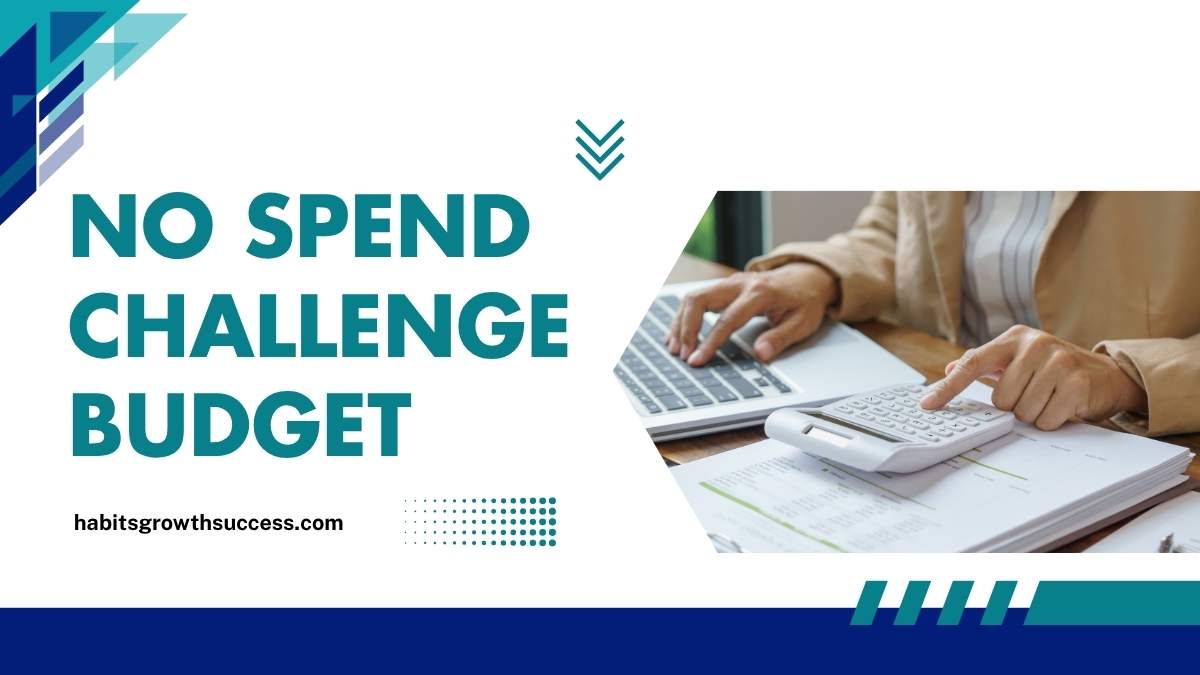
No spend challenge. It sounds simple. But it can change everything.
I remember the first time I tried a no spend challenge. I thought it would be hard. No shopping. No extras. Just the basics. But something surprising happened—I started noticing where my money was actually going.
And that awareness? It changed my habits.
If you’ve ever felt like your money disappears too quickly, this is for you. A 30 day no spend challenge is one of the fastest ways to reset your finances, build better habits, and finally start saving money.
In this guide, I’ll show you:
- How to start a no spend challenge (the easy way)
- Real-life tips to avoid spending temptations
- Simple strategies to save money fast
If you’re ready to take control of your money and try a powerful money saving challenge, this is your starting point.
What Is a No-Spend Challenge?
A no-spend challenge is simple. But powerful. It’s about pausing your spending. On purpose.
For a set period—usually 30 days—you only spend money on essentials. Nothing extra. No impulse buys. No unnecessary shopping. Just the basics.
I believe this is one of the fastest ways to reset your money habits. Because when you stop spending, you start noticing. And awareness changes everything.
What Counts as “No Spend”?
Before you start, you need clarity. What is allowed? What is not?
Allowed expenses (needs):
- Rent or mortgage
- Groceries
- Utilities
- Transportation
- Medical needs
Not allowed (wants):
- Takeout and coffee runs
- Online shopping
- Clothes and accessories
- Subscriptions you don’t use
- Impulse purchases
👉 Think of it this way:
If it’s not necessary for survival or work—it’s a “no.”
Related: 20 Smart Ways to Cut Monthly Expenses and Save More Money
Why a No-Spend Challenge Works So Well
Most people don’t realize how much they spend. Small amounts. Daily habits. Silent leaks.
I’ve seen people save hundreds of dollars in just one month. Not by earning more. But by simply stopping unnecessary spending.
That’s the power of this challenge.
Real-Life Example
Let’s say:
- Coffee: $5/day → $150/month
- Takeout: $100/week → $400/month
- Random shopping: $200/month
That’s $750/month gone.
Now imagine cutting that for 30 days.
That’s real money. Real savings.
Benefits of a No-Spend Challenge
- You become aware of your habits
- You break impulse spending
- You save money fast
- You feel more in control
- You build long-term discipline
Short-term sacrifice. Long-term gain.
Related: How to Create a Budget for Beginners
How to Prepare for a 30-Day No-Spend Challenge
Preparation matters. Without it, you will struggle.
I always say: don’t start blindly. Plan first.
Step 1: Set Clear Rules
Decide what’s allowed. Write it down.
Example rules:
- Groceries only (no dining out)
- No online shopping
- No new clothes
- No paid entertainment
The clearer your rules, the easier it becomes.
Step 2: Remove Temptations
Temptation is everywhere. Especially online.
So remove it.
- Unsubscribe from shopping emails
- Delete shopping apps
- Avoid browsing online stores
- Unfollow brands on social media
Out of sight. Out of mind.
Step 3: Tell Someone
Accountability helps.
Tell a friend. Or your partner. Or your audience.
When someone knows your goal, you are more likely to stick to it.
Related: 10 Things You Should Stop Buying to Save Money Fast
No-Spend Challenge Rules That Actually Work
Rules keep you focused. Without rules, you drift.
I believe simple rules work best. Clear. Easy. Realistic.
Basic No-Spend Rules
- Spend only on essentials
- No impulse purchases
- No eating out
- No entertainment spending
- No unnecessary subscriptions
Flexible Rules (Optional)
You can adjust based on your lifestyle.
For example:
- One “treat day” per week
- Budgeted grocery allowance
- Free entertainment only
👉 The goal is progress. Not perfection.
15 No-Spend Challenge Ideas That Make It Easier
A no-spend challenge doesn’t have to feel restrictive. It can feel creative. Fun. Even exciting.
I believe the key is replacing spending with better habits.
Here are powerful ideas that actually work:
1. Use What You Already Have
Look around your home. You probably have more than you think.
- Clothes you haven’t worn
- Food in your pantry
- Books you haven’t read
Use them.
2. Cook All Your Meals at Home
This is one of the biggest savings.
Instead of takeout:
- Plan weekly meals
- Batch cook
- Use leftovers
Real example:
Cooking at home can save $300–$600 per month.
3. Try a Pantry Challenge
Eat only what you already have.
No new groceries unless necessary.
This reduces waste. And saves money.
4. Replace Shopping with Free Activities
You don’t need to spend to enjoy life.
Try:
- Walking outside
- Reading books
- Watching free content
- Exercising at home
Free can still be fun.
5. Delay Every Purchase
If you want something, wait.
Give yourself 48 hours.
Most of the time—you won’t buy it.
6. Track Every Dollar Saved
This is powerful.
Write down what you didn’t spend.
Example:
- Skipped coffee = $5
- Skipped takeout = $20
Seeing savings grow = motivation.
7. Create a “Wish List” Instead of Buying
Want something? Write it down.
Don’t buy it.
After 30 days, review the list.
Most items won’t feel important anymore.
8. Do a Subscription Audit
Cancel what you don’t use.
Streaming. Apps. Memberships.
Small costs add up.
9. Use Cash for Essentials
Cash makes spending real.
You feel it more.
It helps control spending.
10. Challenge Yourself Weekly
Break the month into weeks.
Focus on one goal at a time.
- Week 1: No takeout
- Week 2: No shopping
- Week 3: No subscriptions
- Week 4: Full no-spend
11. Find a Challenge Partner
Do it with someone.
It makes it easier. And more fun.
12. Reward Yourself (Smartly)
After 30 days, plan a small reward.
But keep it controlled.
13. Use a Visual Tracker
Create a chart.
Mark each no-spend day.
Seeing progress feels good.
14. Avoid Triggers
Know your triggers.
Boredom? Stress? Social media?
Replace them with better habits.
15. Focus on Your “Why”
Why are you doing this?
Debt? Savings? Freedom?
Keep that reason visible.
Common Challenges (And How to Overcome Them)
Let’s be honest. It’s not always easy.
There will be moments when you want to give up.
I’ve been there.
But every challenge has a solution.
Challenge 1: Social Pressure
Friends want to go out. Spend money.
Solution:
- Suggest free activities
- Be honest about your goals
- Plan budget-friendly alternatives
Challenge 2: Boredom
Spending often comes from boredom.
Solution:
- Create a list of free activities
- Try new hobbies
- Stay busy
Challenge 3: Emotional Spending
Stress = spending.
Solution:
- Pause before buying
- Journal your thoughts
- Find healthy coping habits
Challenge 4: Giving Up Too Early
Many people quit after a few days.
Solution:
- Start again
- Don’t aim for perfection
- Focus on progress
How Much Can You Save in 30 Days?
This is the exciting part.
Savings depend on your habits.
But here’s a simple estimate:
- Skip coffee: $150
- Skip takeout: $400
- Skip shopping: $200
Total: $750+ in one month
That’s powerful.
What to Do With Your Savings
Don’t let the money disappear.
Give it a purpose.
- Build an emergency fund
- Pay off debt
- Start investing
- Save for a goal
Money saved should work for you.
Turning a No-Spend Challenge Into a Lifestyle
The challenge ends. But the habits stay.
That’s the real goal.
I believe the biggest win is not the money. It’s the mindset.
Habits to Keep After the Challenge
- Think before spending
- Track your expenses
- Avoid impulse purchases
- Prioritize needs over wants
- Save consistently
Simple Rule to Remember
Pause. Think. Decide.
That alone can change your finances.
How to Use This Tracker (Powerful Method)
This is not just a tracker. It’s a behavior changer.
Each day, you track:
- ✅ No-Spend Day → Did you avoid unnecessary spending?
- ✅ Habit Done → Example: budgeting, journaling, reading
- 💰 Money Saved → Write the exact amount
- 📝 Notes → What worked? What was hard?
🌿 Conclusion
The truth is, a no spend challenge is not about restriction. It’s about awareness.
It helps you see your habits. Your triggers. Your patterns.
And once you see them—you can change them.
I believe anyone can complete a 30 day no spend challenge. You don’t need a perfect budget. You don’t need a high income. You just need a decision to start.
Start small. Stay consistent. Keep going.
Even skipping a few unnecessary purchases can lead to real savings.
And over time? Those small changes become powerful financial habits.
✨ So here’s your next step:
Try your own no spend challenge this month.
See what happens. Notice the difference. Build the habit.
Your future self will thank you.