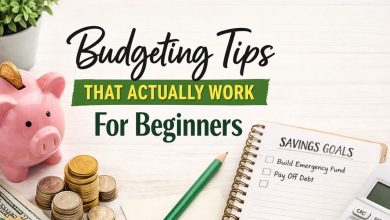
How to Save Money Fast on a Low Income: 21 Simple Tricks That Actually Work in 2026

How to save money fast on a low income might feel impossible. I’ve been there. Watching every dollar. Stressing over bills. Wondering where the money went.
But here’s the truth. You don’t need a high income to start saving. You need a simple plan. And small steps that actually work.
I believe saving money is less about how much you earn—and more about how you manage what you have.
In this guide, I’ll show you real-life, practical ways to start saving today. Even if your income feels tight. Even if you’re living paycheck to paycheck.
We’ll cover money saving tips, budgeting for low income, and simple habits that build real progress over time.
Think small wins. Think consistency. Think progress—not perfection.
If you’ve ever felt stuck with your finances, this is your starting point. And yes—you can do this.
Why Saving Money Feels Hard on a Low Income
Saving money on a low income can feel overwhelming. I understand that feeling. Bills come first. Rent, food, transport. There’s often very little left.
It’s not about being careless. It’s about survival.
I believe many people struggle not because they’re bad with money—but because they were never shown a simple system.
The truth is simple. You don’t need a big income to start saving. You need clarity. You need small habits.
And most importantly—you need a plan that fits your real life.
Common Challenges People Face
- Income barely covers expenses
- Unexpected costs (medical, repairs)
- Emotional spending from stress
- Lack of budgeting habits
Real-Life Example
I once spoke with someone earning just enough to get by. They believed saving was impossible. But after tracking expenses, they found $5–$10 daily leaks.
That changed everything.
Small leaks matter. Small changes matter.
Related: 10 Things You Should Stop Buying to Save Money Fast
Step 1 – Track Every Dollar You Spend
This is where everything begins. Awareness.
If you don’t know where your money goes, you can’t control it.
I believe this is the most powerful habit you can build.
Simple Ways to Start Tracking
- Write expenses in a notebook
- Use a free budgeting app
- Check bank statements weekly
What to Look For
- Daily small purchases
- Subscriptions you forgot about
- Impulse spending habits
Example
$3 coffee daily = $90/month
$10 takeout 3x/week = $120/month
That’s over $200+ saved potential.
Tracking is not about judgment. It’s about awareness.
Once you see it—you can fix it.
Step 2 – Cut Small Expenses That Add Up Fast
You don’t need to cut everything. Just the unnecessary things.
I believe saving money is about smart cuts—not painful sacrifices.
Easy Expenses to Reduce
- Takeout and fast food
- Subscriptions you don’t use
- Expensive coffee habits
- Impulse shopping
Practical Tips
- Cook simple meals at home
- Cancel unused subscriptions
- Set a “24-hour rule” before buying
Real-Life Example
One person saved $150/month just by:
- Cooking at home
- Canceling 2 subscriptions
- Bringing coffee from home
Small cuts. Big results.
Related: 15 Frugal Living Tips That Save Thousands
Step 3 – Create a Simple Budget That Works
Budgeting doesn’t need to be complicated.
I believe simple budgets work best—especially on a low income.
Try the Basic Budget Method
- Needs (50–60%)
- Wants (20–30%)
- Savings (10–20%)
If money is tight, even 5% savings is a win.
Simple Budget Example
Income: $2,000
- Needs: $1,200
- Wants: $500
- Savings: $300
Adjust based on your situation.
Key Tip
Your budget should feel realistic. Not stressful.
If it’s too strict—you won’t stick to it.
Step 4 – Start an Emergency Fund (Even Small)
Emergencies happen. Always.
And without savings, they turn into debt.
I believe every person—no matter their income—needs an emergency fund.
Start Small
- First goal: $100
- Next goal: $500
- Then: 3 months of expenses
Why It Matters
- Reduces stress
- Prevents debt
- Builds confidence
Simple Strategy
Save:
- $5 per day
- $20 per week
- Extra income when possible
Even small savings create security.
Related: How to Create a Budget for Beginners (Step-by-Step)
Step 5 – Use the “Pay Yourself First” Rule
This is a powerful mindset shift.
Before paying bills. Before spending.
Pay yourself first.
How It Works
- Save a small amount immediately after income
- Even $20–$50 matters
Why It Works
You don’t rely on “leftover money” (there is usually none)
Example
Income comes in → Save $50 → Then spend the rest
Simple. Effective.
Step 6 – Reduce Grocery Costs Without Sacrificing Quality
Food is a big expense. But also flexible.
I believe groceries are one of the easiest places to save money.
Smart Grocery Tips
- Plan meals weekly
- Buy in bulk
- Avoid shopping when hungry
- Use a shopping list
Real-Life Example
Switching from random shopping to meal planning saved one family $200/month.
Food doesn’t need to be expensive to be good.
Step 7 – Stop Impulse Spending
Impulse spending is silent. But powerful.
It drains your money before you even realize it.
I believe this is one of the biggest reasons people struggle to save. Not big purchases—but small, emotional ones.
Simple Rule
Wait 24 hours before buying anything non-essential.
That pause changes everything.
Ask Yourself
- Do I really need this?
- Will I still want this tomorrow?
Most of the time, the answer becomes clear.
Personal Insight
I’ve seen people save hundreds just by slowing down. Just by waiting.
One small pause can stop dozens of unnecessary purchases each month.
Time creates clarity. Clarity saves money.
Related: 50 Easy Ways to Save Money Every Month
Step 8 – Increase Your Income (Even Slightly)
Saving is powerful. But earning more helps too.
I believe even a small income boost can completely shift your financial situation. It gives you breathing room. It gives you options.
You don’t need a second full-time job. Just something small.
Simple Ways to Earn Extra
- Freelancing (writing, design, data entry)
- Selling unused items at home
- Part-time online work
- Local side jobs (tutoring, delivery, help services)
Example
An extra $100 per month = $1,200 per year
That’s a full emergency fund for many people.
Small income streams matter. They add up faster than you think.
Step 9 – Use Cash Instead of Cards
Cards make spending easy. Too easy.
You tap. You swipe. You don’t feel it.
Cash is different.
Cash makes spending real.
I believe using cash creates awareness instantly.
Why It Works
- You see the money leaving your hand
- You feel the cost emotionally
- You think twice before spending
Simple Method
- Withdraw your weekly budget
- Divide it into categories (food, transport, etc.)
- Use envelopes if needed
When the cash is gone—it’s gone.
This builds discipline fast. And naturally.
Step 10 – Set Clear Financial Goals
Without goals, saving feels pointless.
I believe money needs direction. Otherwise, it disappears.
Goals give your money a job.
Examples
- Save $1,000 emergency fund
- Pay off $2,000 debt
- Save for a trip or important purchase
Simple Tip
Write your goals down. Put them somewhere visible.
On your wall. On your phone. In your wallet.
When you see your goals daily, your decisions change.
Purpose creates focus. Focus creates results.
Step 11 – Automate Your Savings
Automation makes saving simple.
No thinking. No excuses.
I believe this is one of the easiest ways to build consistency.
How to Start
- Set automatic transfers every week or payday
- Even small amounts work—$10, $20, $50
The amount doesn’t matter. The habit does.
Why It Works
You don’t rely on willpower. You don’t forget.
It happens automatically.
Consistency beats motivation. Every time.
Step 12 – Avoid Lifestyle Inflation
When your income increases, it feels exciting.
But here’s the trap. Spending increases too.
And suddenly—nothing changes.
Example
Earn $200 more → Spend $200 more → Still stuck
I’ve seen this happen again and again.
Better Approach
Increase income → Increase savings
Simple shift. Big impact.
When your income grows, your savings should grow too.
That’s how real progress happens.
Step 13 – Use Free Resources
You don’t need money to improve your life.
So many people think progress requires spending. It doesn’t.
I believe some of the best tools are completely free.
Examples
- Free online courses (skills, finance, business)
- Public libraries (books, internet, learning)
- Free budgeting apps and tools
Why It Matters
Every dollar saved is a dollar kept.
Using free resources reduces unnecessary expenses.
Smart living is not about spending more. It’s about using what you already have.
Step 14 – Build Strong Money Habits
Habits shape everything.
Not income. Not luck. Habits.
I believe your daily actions decide your financial future.
Daily Habits That Work
- Track your spending
- Avoid unnecessary purchases
- Save a small amount consistently
These actions seem small. But they repeat.
And repetition creates results.
Key Reminder
You don’t need big changes.
You need small habits. Done daily.
Small habits = big results.
Step 15 – Stay Consistent (Even When It’s Hard)
Consistency matters more than perfection. I truly believe this. You won’t always follow your budget. You’ll overspend sometimes. That’s real life. That’s okay.
What matters is getting back on track. Again and again.
Focus on small actions. Daily actions. Simple actions.
Focus On:
- Progress, not perfection
- Small steps daily
- Showing up even when it’s hard
For example, if you miss a week of saving, don’t quit. Just restart next week. One small step is always better than stopping completely.
Saving money is a journey. Not a race. Stay consistent—and results will follow.
Step 16 – Surround Yourself With Financial Awareness
Your environment shapes your habits more than you think. I’ve seen this again and again. If you’re surrounded by spending, you’ll spend. If you’re surrounded by smart habits, you’ll grow.
I believe what you consume daily affects your mindset.
Try This:
- Follow personal finance blogs
- Watch YouTube videos about money
- Listen to finance podcasts
Even 10 minutes a day can change how you think about money.
When you see others saving, budgeting, and improving—you feel motivated to do the same.
What you consume shapes your behavior. Choose wisely.
Step 17 – Review Your Finances Monthly
You can’t improve what you don’t review. That’s something I always remind myself.
Take time once a month. Sit down. Look at your numbers. No stress. Just awareness.
Monthly Check:
- Income vs expenses
- Savings progress
- Budget adjustments
Maybe you spent more than expected. That’s okay. Learn from it.
Maybe you saved more than planned. That’s a win.
This habit keeps you in control. It keeps you aware. And awareness leads to better decisions.
Step 18 – Focus on Needs Over Wants
This step sounds simple. But it’s powerful.
I always ask myself one question before spending:
Do I need this—or do I just want it?
That one question can save you a lot of money.
Try This Habit:
Pause before buying. Think for a moment.
Needs are things like:
- Rent
- Food
- Bills
Wants are things like:
- New clothes
- Gadgets
- Eating out
There’s nothing wrong with wants. But needs come first. Always.
Clarity saves money. Every single time.
Step 19 – Learn to Say No
This one is hard. I know.
Saying no to friends. To plans. To spending.
But I believe saying no is a form of self-respect.
Real-Life Example:
Your friends invite you out often. Eating out. Spending money. It adds up fast.
You don’t have to say yes every time.
You can say:
- “I’m saving right now”
- “Let’s do something low-cost”
Not every invitation is worth your financial peace.
Saying no today protects your future tomorrow.
Step 20 – Be Patient With Yourself
Saving money takes time. Real time.
I’ve seen people quit too early because they expected fast results.
But building savings is like building anything meaningful. It grows slowly.
Remind Yourself:
- Don’t rush the process
- Don’t compare your journey
- Don’t feel discouraged
Someone else’s progress is not your timeline.
Even saving $50 a month is progress. Even small steps matter.
Your journey is yours. And that’s enough.
Step 21 – Celebrate Small Wins
This is something many people forget. But it matters.
Every step forward deserves recognition.
I believe celebrating small wins keeps you motivated.
Examples:
- Saved your first $100? Celebrate
- Paid off a small debt? Celebrate
- Stuck to your budget for a month? Celebrate
It doesn’t have to be big. Just something meaningful.
A small reward. A small moment.
Because progress deserves to be seen. And felt.
And when you celebrate progress—you’re more likely to keep going.
Conclusion
Saving money on a low income is not about being perfect. It’s about being consistent.
Small steps matter. Daily choices matter. I’ve seen how simple habits—like tracking spending or cutting one expense—can slowly change everything.
If you’re learning how to save money fast on a low income, remember this: progress takes time. But it does happen.
You don’t need more money to start. You need a plan. A simple one. One you can follow every day.
Start small. Stay consistent. Keep going.
And if this guide helped you, save it, share it, or come back to it later. Your future self will thank you.